


Blog
What’s the Difference Between a Ground Wire and a Drain Wire in Instrumentation Cable?
In industrial instrumentation systems, both ground wires and drain wires play crucial roles, but they serve very different purposes. Misunderstanding their functions can lead to poor installation practices or system performance issues. This guide breaks down their differences clearly and simply with respect to Thermocouple and RTD temperature sensors.
Ground Wires vs. Drain Wires in Thermocouple & RTD Applications
Understanding the difference between a ground wire and a drain wire is important when specifying thermocouples, RTDs, and extension cable for industrial temperature measurement systems.
Although both may ultimately connect to ground, they serve very different purposes and should never be confused with one another.
Drain Wire vs. Ground Wire — What’s the Difference?
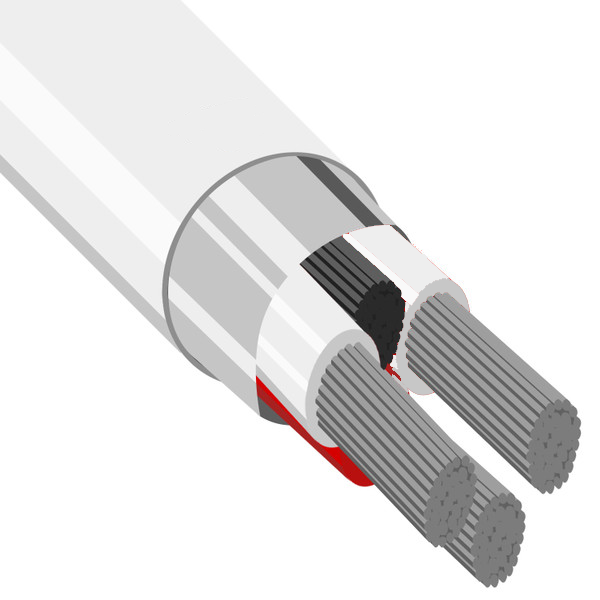
A drain wire is part of a cable’s shielding system. It is normally a bare or tinned copper wire that runs in contact with the foil or metal braided shield inside shielded thermocouple or RTD cable.
Its job is to:
-
Provide an easy connection point for grounding the shield
-
Help carry induced electrical noise away from the signal conductors
-
Improve measurement stability in electrically noisy environments
A ground wire, on the other hand, is intended for electrical grounding or bonding purposes. It is usually insulated and may be connected to equipment chassis, probe sheaths, junction boxes, or earth ground.
Its purpose is typically related to:
-
Personnel safety
-
Equipment grounding
-
Static discharge
-
Electrical bonding
-
Reducing common-mode electrical noise
The two should not be confused.
The drain wire is normally smaller gauge, has no insulation and sits directly against the foil or braided metal shield.
Ground Wire Used for Equipment Grounding
Ground wires are generally insulated conductors intended for bonding or safety grounding.
Why Would a Thermocouple Be Specified With a Ground Wire?
Some thermocouple assemblies include a separate ground wire or grounding conductor connected to the probe sheath or sensor housing.
This is most commonly done for one or more of the following reasons:
1. Probe Sheath Grounding
In some industrial environments, grounding the metal sheath of the thermocouple can help:
-
Reduce electrical noise pickup
-
Minimize static buildup
-
Improve EMI performance
-
Establish a common reference potential between equipment
This is especially common around:
-
Variable frequency drives (VFDs)
-
Motors
-
Induction heating equipment
-
Large industrial machinery
2. Bonding the Sensor Assembly
Certain applications require the thermowell, connection head, or probe sheath to be bonded to earth or chassis ground for safety or plant grounding standards.
In these cases, the ground wire may simply provide a convenient bonding connection.
3. Reducing Common-Mode Noise
Very long thermocouple runs or installations near high-energy electrical equipment can sometimes develop unwanted common-mode voltages. Grounding the sheath or sensor body may help stabilize readings in these situations.
However, grounding practices must be applied carefully because improper grounding can also create ground loops and introduce measurement errors.
Important: This Is NOT the Same as a Grounded Thermocouple Junction
A very common misunderstanding is confusing a ground wire with a grounded thermocouple junction.
These are completely different concepts.
Grounded Thermocouple Junction
A grounded junction means the thermocouple sensing junction is physically welded or electrically connected to the metal sheath.
Benefits include:
-
Faster response time
-
Better heat transfer
Potential drawbacks include:
-
Increased susceptibility to electrical noise
-
Possible ground loop issues
Ungrounded Thermocouple Junction
An ungrounded junction is electrically isolated from the sheath using insulation such as magnesium oxide.
Benefits include:
-
Better electrical isolation
-
Reduced noise problems
-
Lower risk of ground loops
Potential drawbacks include:
-
Slightly slower response time
Key Point
A thermocouple can have:
-
A grounded junction
-
An ungrounded junction
-
A separate ground wire
-
A drain wire
-
Or any combination of the above
These are independent design features and should not be confused with one another.
Would an RTD Ever Have a Ground Wire?
Yes — although it is generally less common than with thermocouples.
An RTD assembly may include a ground wire when:
-
The stainless steel sheath requires bonding
-
The sensor assembly is installed in electrically noisy equipment
-
Plant grounding standards require metal probe grounding
-
Static discharge protection is desired
-
The RTD contains a transmitter or electronics requiring grounding
In these situations, the ground wire usually connects to:
-
The RTD sheath
-
Probe housing
-
Terminal head
-
Transmitter enclosure
Unlike the RTD sensing leads themselves, the ground wire is not used for temperature measurement.
Does a Drain Wire Replace a Ground Wire?
No.
A drain wire is only intended for shield grounding and noise reduction.
It is:
-
Typically small gauge
-
Not sized for fault current
-
Not intended as a safety ground
-
Usually connected to shield foil only
A proper ground wire is designed for electrical bonding and safety purposes.
Using a drain wire as a safety ground may violate electrical codes and create unsafe conditions.
Best Practices for Thermocouple & RTD Shielding and Grounding
Ground Shields at One End Only
In most instrumentation systems, the cable shield and drain wire are grounded at the control panel or instrument end only to minimize ground loop problems.
Separate Sensor Wiring From Power Wiring
Avoid routing temperature sensor cables alongside motor leads or high-voltage conductors whenever possible.
Use Shielded Cable in Noisy Areas
Shielded thermocouple extension wire and RTD cable can significantly improve signal stability in industrial environments.
Understand the Difference Between Shielding and Grounding
Shielding reduces noise. Grounding provides electrical reference and safety protection. They work together but serve different functions.
Final Thoughts
Drain wires and ground wires both play important roles in industrial temperature measurement systems, but they serve completely different purposes.
-
A drain wire is part of the cable shielding system used to reduce electrical noise.
-
A ground wire is used for bonding, grounding, or safety purposes.
-
Neither should be confused with grounded or ungrounded thermocouple junction construction.
Understanding these distinctions helps ensure accurate temperature measurement, reliable sensor performance, and safe industrial installations.
For assistance selecting thermocouple wire, RTD cable, shielded extension wire, or industrial temperature sensors, visit Mod-Tronic Instruments Temperature Sensors.



