


| Image | Title | Description |
|
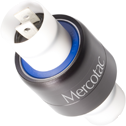
Rotary Electrical Connectors (Mercury) | Rotary Electrical Connectors operate on a superior principle. They offer an extremely low resistance electrical connection because the electrical conduction path is a liquid metal which is molecularly bonded to the contacts. |
|
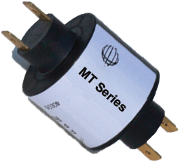
Rotary Electrical Connectors (Non-mercury) | Our non-mercury slip rings utilize precious metal brushes in unrestrained continuous contact with conductive rings complete with precision bearings and sealed housings. With slip ring models ranging from 2 circuits to 56 circuits, we have a solution to ge |
Introduction to Rotating Electrical Connectors
A rotating electrical connector is a specialized interconnect device that transmits power, signals, or data across rotating interfaces. Unlike stationary electrical connectors, rotating electrical connectors are engineered to maintain continuous electrical contact while one component rotates relative to another. These connectors are essential in applications ranging from wind turbines and industrial rotary tables to medical imaging equipment and packaging machinery.
Key Applications of Rotating Connectors
Rotary connectors and slip rings serve critical roles in many industrial environments. A rotary electrical contact assembly enables the transfer of electrical power and data between stationary and rotating structures. Applications include robotic arms, crane systems, and indexing tables where uninterrupted connectivity is required during 360-degree rotation. The rotating connector design must accommodate specific voltage, current, and signal requirements while maintaining durability through repeated rotational cycles. Many connectors used in these applications incorporate precision wiring arrangements to ensure consistent electrical performance.
Types of Rotating Electrical Connectors
The market offers several distinct types of rotating electrical connectors, each designed for specific operational requirements. The rotating connector category includes capsule slip rings, through-bore slip rings, pancake slip rings, and mercury-wetted rotary connectors. An electrical connector designed for rotational applications must balance contact resistance, rotational speed capacity, and environmental sealing. The choice between electrical connectors depends largely on the required number of circuits, rotational speed, and whether the rotating electrical connectors will carry power, data, or both simultaneously.
Rotary Connectors and Slip Ring Technologies
Rotary connectors encompass both traditional slip ring assemblies and more specialized rotating electrical contact designs. Slip rings remain the most common solution for transmitting electrical signals across a rotating interface. A typical rotary connector uses conductive brushes riding on rotating rings to maintain continuous contact. For high-reliability applications, rotary electrical contact assemblies may use fiber brush technology or precious metal alloys to reduce wear and extend service life. Adapters are often required to integrate rotating connectors into existing equipment without extensive mechanical modifications.
Technical Considerations for Rotating Connectors
Selecting the appropriate rotating electrical connector requires careful evaluation of operating parameters. High voltage rotating electrical connectors demand specialized insulation materials and creepage distances. The wiring configuration must accommodate both the power requirements and any signal integrity constraints. Electrical connectors intended for rotating applications generally require more robust mechanical construction than stationary connectors due to the dynamic loads imposed during operation. High voltage applications in particular demand connectors with verified dielectric strength and partial discharge performance.
Advanced Features in Modern Rotating Connectors
Modern rotating electrical connectors increasingly incorporate wireless technology for data transmission in combination with conventional slip rings for power transfer. This hybrid approach reduces mechanical wear on data channels while maintaining robust power delivery. Linear taper arrangements in certain rotary connector designs allow for variable resistance outputs during rotation, useful in position-sensing applications. Adaptable wiring harnesses and modular connector designs reduce installation complexity and simplify field replacement of rotating connectors in demanding industrial settings.
Selecting the Right Rotating Electrical Connector
Choosing the correct rotating electrical connector involves matching the connector specifications to the operational environment. Factors include rotational speed, continuous vs. intermittent rotation, environmental exposure, and the number of electrical circuits required. The rotating connector must also accommodate any future capacity needs, particularly in applications where additional sensors or actuators may be added. Consulting with experienced electrical connector suppliers helps ensure that the selected rotating connectors meet both current requirements and anticipated operational demands.
Installation and Maintenance Considerations
Proper installation of rotary connectors and slip rings significantly extends service life. Alignment tolerance, mounting rigidity, and environmental sealing all affect connector reliability. Regular inspection of rotating electrical connectors for brush wear, contamination, and connection integrity minimizes unplanned downtime. Adaptable connector designs with modular contact blocks simplify routine maintenance and reduce spare parts inventory requirements. Wiring diagrams and installation guides should accompany every rotating electrical connector purchase to ensure correct deployment in the intended application.



