


Signal Conditioners

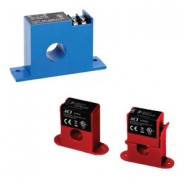
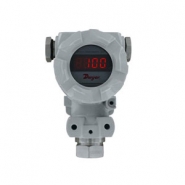
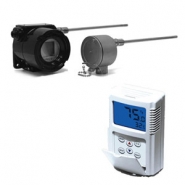
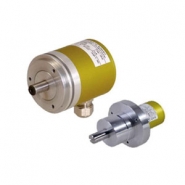
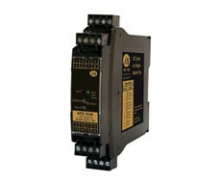
Signal Conditioner Types and Functions
Analog Input Signal Conditioners
Analog input signal conditioners are designed to accept low-level signals from sensors and convert them into a standard format. These devices often provide isolation to break ground loops and amplify weak signals to a usable level for the data acquisition system.
Digital Signal Conditioners
Digital signal conditioners interface with digital sensors and provide a digital output. They are essential for modern control systems that require high-resolution data and fast response times for precise operation.
Isolation and Ground Loop Protection
Isolation signal conditioners electrically separate the input and output circuits. This function is critical in preventing ground loop currents that can distort the signal and damage sensitive equipment in the data acquisition system.
Signal Conversion and Amplification
Signal Conversion Standards
Signal conversion involves changing the type of electrical signal, such as converting a 4-20 mA current signal to a 0-10 V voltage signal. This allows different types of instruments to communicate within the same system.
Amplification for Low-Level Signals
Many sensors, such as thermocouples, produce very low voltage outputs. Amplification increases the signal strength to a level that can be accurately measured by the data acquisition system without being lost in background noise.
Linearization and Scaling
Signal conditioning often includes linearization to correct for non-linear sensor responses. This ensures that the output signal is directly proportional to the physical quantity being measured, providing accurate data for process control.
Choosing the Right Signal Conditioner
Input and Output Compatibility
When selecting a signal conditioner, verify that the input range matches the sensor output and the output format matches the data acquisition system requirements. Mismatched signals can lead to inaccurate readings or equipment damage.
Environmental and Mounting Considerations
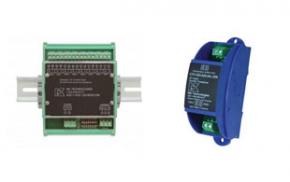
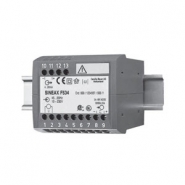
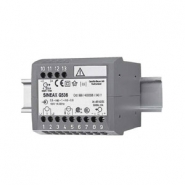
Signal conditioners are available in various form factors, including DIN rail mounting for control panels. Ensure the device is rated for the operating environment, including temperature and humidity, to ensure reliable long-term operation.
Accuracy and Performance
The accuracy of the signal conditioner directly impacts the overall system performance. Choose a device with a specified accuracy that meets the requirements of your process control application to maintain consistent operation.



